
A Practical Guide to Discovering Your Spirit Animal
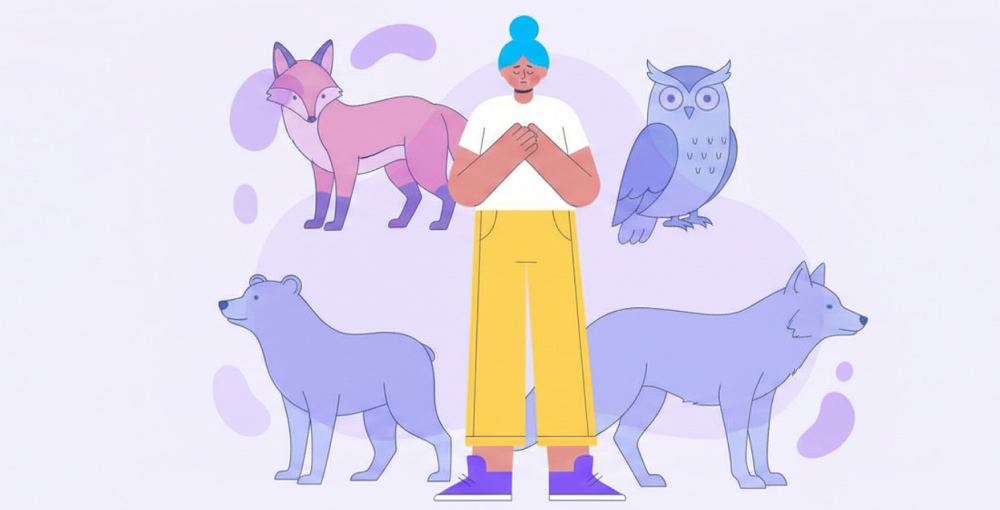
Identify Spirit Animal Guide
Get StartedWhat Spirit Animals Mean and Why They Matter
Spirit animals are a cross-cultural metaphor for the energies, instincts, and archetypal lessons that accompany your life journey. Through symbolism, dreams, and pattern recognition, how to know what your animal spirit is becomes less mysterious and more practical. Instead of chasing a perfect label, you tune your senses to repetition, timing, and context. When a particular creature keeps intersecting your attention at pivotal moments, the pattern deserves a closer look. That is where contemplation and mindful observation transform coincidence into guidance.
Ancient traditions teach that relationships with guiding animals are reciprocal, respectful, and experiential. By honoring boundaries and asking clear questions, how do you know your spirit animal often reveals itself when you slow down and track recurring messengers. You are not forcing an answer; you are learning to notice one. With that orientation, you can approach the process with curiosity rather than pressure.
- Symbols speak through repetition, context, and timing rather than a single dramatic event.
- Meanings grow through relationship, including study, reflection, and ethical engagement.
- Discernment matters; intuition and evidence can work together without conflict.
- Respect for living animals and cultures safeguards the integrity of the practice.
Recognizing the Signs: Patterns, Encounters, and Inner Signals
Start by journaling every unexpected animal encounter, from street art to podcasts to nighttime dreams. When you catalogue repeated appearances and emotional spikes, how do i find out my spirit animal becomes a grounded, testable process in your daily routine. Context matters as much as species, because timing and location add layers of meaning. Record your feelings before, during, and after each sighting to catch subtle clues.
Map your personal history to surface long-standing affinities you may have overlooked. By reviewing childhood fascinations, household décor, and favorite myths, how do you find your spirit animal can be answered by tracing lifelong threads rather than a single moment. This approach keeps the search authentic to you and reduces trendy noise. Sustained signals trump one-off curiosities.
- Dreams: Recurrent animals, vivid scenes, or charged emotions that linger into daylight.
- Synchronicities: The same creature in books, songs, conversations, and random scrolls in one week.
- Body cues: A calm settling, goosebumps, or alertness when a certain animal appears.
- Life mirrors: An animal’s traits matching current challenges such as courage, stealth, or patience.
Step-by-Step Discovery: a Repeatable Practice You Can Trust
A simple ritual can focus attention and invite a meaningful meeting. During breathwork and intention-setting, how to find your spirit animal guide often hinges on asking for a symbol that aligns with your current challenge. Light a candle, define a question, and commit to noticing for a lunar cycle. This creates a container so intuition has a clear channel.
Let the process be participatory, not passive. By blending meditation with follow-through, how do i find my spirit animal shifts from guesswork into a repeatable experiment that respects your schedule. Track results weekly and recalibrate your prompt to stay specific. If nothing arises, pause and refine your inquiry rather than pushing harder.
| Method | Main Focus | Typical Duration | Best Used When |
|---|---|---|---|
| Dream Incubation | Invite symbolic guidance before sleep | 7–14 nights | You recall dreams and can record them on waking |
| Nature Walk | Observe real-world encounters mindfully | 30–90 minutes | You have access to parks, trails, or the shoreline |
| Synchronicity Journal | Track repeats across media and daily life | 3–4 weeks | Your schedule is busy, and you notice patterns everywhere |
| Breath Meditation | Quiet the mind and set a clear intention | 10–20 minutes | You need calm, focus, and inner confirmation |
- Define a heartfelt question that matters right now.
- Choose one primary method and one backup, then stay consistent.
- Review notes weekly to confirm genuine patterns versus noise.
- Thank the guidance you receive, and act on it in small, respectful ways.
Interpretation and Validation: Turning Signs Into Guidance
After a candidate emerges, interpretation turns symbols into usable counsel. With a few validation checks, how do i figure out my spirit animal becomes a matter of matching traits, behaviors, and story motifs to your real-life decisions. For instance, a fox might emphasize adaptive strategy, while a turtle might spotlight pacing and protection. Test guidance through small experiments before you commit to big moves.
Triangulate meaning with cross-references rather than relying on a single source. By comparing indigenous teachings, reputable field guides, and your direct experiences, how do you find out your spirit animal turns into a collaborative inquiry that honors culture and context. Avoid generic internet lists that flatten rich traditions. Let evidence accumulate over time.
- Cross-check behavior: Does the animal’s natural ecology echo your situation?
- Seek story threads: Myths, folklore, or art illuminating the same themes.
- Run reality tests: Apply one piece of advice and measure outcomes.
- Consult mentors: Learn from cultural experts and ethical educators.
Real-World Benefits: Growth, Decisions, and Everyday Clarity
Living in alignment with a guiding animal brings tangible life benefits. In practical terms, how to identify spirit animal links your strengths to actionable tactics at work, in relationships, and in creativity. Knowing when to lead, when to conserve energy, and when to pivot becomes easier. You also gain language for boundaries and resources.
Clarity accelerates momentum because you stop second-guessing every instinct. By reflecting on recurring symbols during weekly planning, how can i find out my spirit animal translates into focused choices that save time and reduce stress. That coherence compounds into confidence. Over months, the practice becomes a personal tradition.
- Sharper decisions: Use the animal’s core strategies as decision filters.
- Emotional regulation: Call on the archetype to re-center after setbacks.
- Creative spark: Let imagery and movement inspire art, writing, or design.
- Leadership cues: Model collaboration, protection, or agility as needed.
- Purpose alignment: Align goals with your authentic pace and strengths.
Common Mistakes and Ethical Care
Integrity matters when engaging with animal symbolism across cultures. Instead of grabbing a trendy label from social media quizzes, how do i know my spirit animal calls for humility, study, and consent-centered learning. Treat ceremonial knowledge with reverence and cite sources. When in doubt, consult community educators.
Respect for the living beings themselves deepens the work. Donate to conservation, volunteer locally, or reduce harm in your consumption habits. Aligning beliefs with behavior is the ultimate authenticity test.
- Avoid appropriation: Learn the origin of teachings and follow cultural protocols.
- Skip shortcuts: Depth emerges from practice, not instant answers.
- Honor ecology: Support habitats connected to your guiding animal.
- Stay flexible: Guidance can evolve as your life stage changes.
Faq: Your Top Questions Answered
What is a spirit animal, really?
It is a symbolic relationship with an archetypal quality reflected through an animal, rooted in story and experience rather than ownership. For beginners who want a simple compass, how to know my spirit animal translates into paying attention to patterns that persist across dreams, art, and chance encounters. Over time, the relationship matures through study, reciprocity, and ethical action. The result is guidance that feels both grounded and inspirational.
Can a person have more than one guiding animal?
Yes, you can engage with a primary ally alongside situational helpers that appear during specific life chapters. Think of them as a council, where one voice leads while others advise on specialized topics. The mix may shift as your roles and responsibilities evolve. Anchor your practice with consistency so the relationships feel coherent.
What if the animal that shows up scares me?
Discomfort can signal growth, shadow work, or a boundary to respect. Approach the symbol with caution, research its ecology, and ask what lesson, not domination, it offers. If fear persists, set firmer boundaries and seek a teacher who can help you discern between projection and genuine guidance. Safety and consent come first.
How often should I check in with my guiding animal?
Weekly reflection is a healthy cadence for most people, with deeper reviews at seasonal or lunar milestones. Treat check-ins as two-way conversations: you ask, you listen, and you respond responsibly. If signals fade, cleanse distractions, refine questions, or rest the inquiry. Rhythm builds relationship.
Is this purely spiritual, or can it be scientific too?
While the practice is spiritual, it benefits from scientific habits like journaling, pattern recognition, and hypothesis testing. You can track variables, compare outcomes, and verify guidance through lived results. Blending intuition with evidence yields insights that are both meaningful and measurable. This balanced approach keeps the work reliable.